Branchial cyst & thyroglossal cyst removal
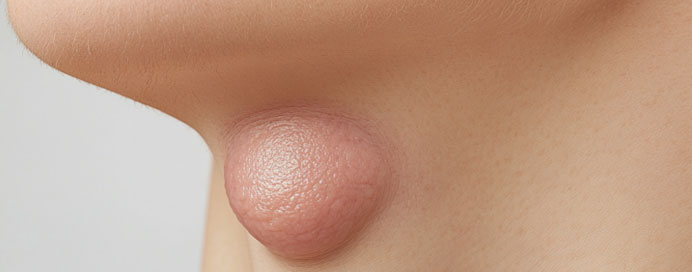
Branchial cysts and thyroglossal cysts are common congenital neck swellings that arise due to developmental remnants from embryonic structures. A branchial cyst typically appears on the side of the neck, while a thyroglossal cyst is usually located in the midline and may move with swallowing or tongue protrusion. Although these cysts are benign, they can become infected, enlarge over time, or cause discomfort, making surgical removal the definitive treatment for long-term relief and prevention of recurrence.
Branchial Cyst Removal
Branchial cyst excision involves complete surgical removal of the cyst and its tract to prevent recurrence and infection.
- Usually located along the side of the neck, often near the jawline
- Surgery performed under general anesthesia with a neck incision
- Complete removal of cyst and tract is essential to avoid recurrence
- Quick recovery with minimal scarring in most cases
Thyroglossal Cyst Removal (Sistrunk Procedure)
Thyroglossal cyst removal is done using the Sistrunk procedure, which ensures effective treatment by removing the cyst along with part of the hyoid bone.
- Typically present in the midline of the neck and moves with swallowing
- Sistrunk procedure reduces recurrence risk significantly
- Involves removal of cyst, tract, and central portion of hyoid bone
- Safe procedure with excellent long-term outcomes and low recurrence rate