Tonsillectomy & adenoidectomy
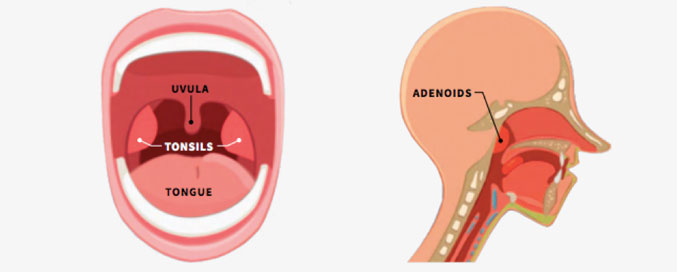
Tonsillectomy and adenoidectomy are common surgical procedures performed to remove the tonsils and adenoids, respectively, usually to treat recurrent infections or airway obstruction. These structures are part of the immune system but can become chronically infected or enlarged, leading to problems such as sore throat, difficulty swallowing, snoring, and sleep disturbances. The procedures are often indicated in conditions like chronic tonsillitis and obstructive sleep apnea in children. Performed under general anesthesia, these surgeries aim to improve breathing, reduce infection frequency, and enhance overall quality of life. Recovery typically involves mild to moderate throat pain for a few days, with most patients returning to normal activities within one to two weeks.
Indications and Recovery
Tonsillectomy and adenoidectomy are recommended when conservative treatments fail or symptoms significantly affect daily life. Indications include frequent throat infections, enlarged tonsils causing airway blockage, difficulty breathing during sleep, and recurrent ear or sinus infections due to enlarged adenoids. The procedure is usually safe, with careful postoperative care focused on pain management, hydration, and a soft diet. Most patients experience significant relief from symptoms, better sleep quality, and fewer infections after recovery.