Laryngeal & hypopharyngeal cancer surgery
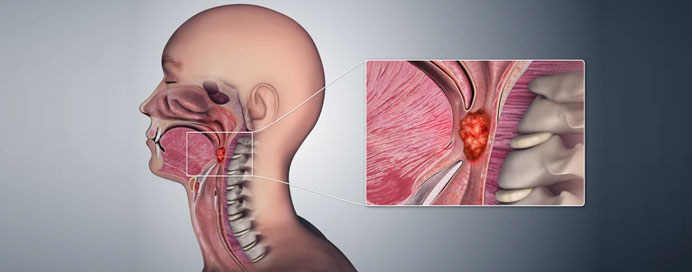
Laryngeal cancer surgery focuses on removing tumors from the larynx (voice box) while preserving vital functions such as speech, breathing, and swallowing whenever possible. Depending on the stage and location of the cancer, procedures may range from minimally invasive techniques like endoscopic surgery to more extensive operations such as partial or total laryngectomy. Advanced surgical methods aim to maintain the patient’s quality of life by balancing effective cancer removal with functional preservation.
- Preservation of voice and swallowing function whenever feasible
- Options include partial or total removal of the larynx
- May be combined with radiation or chemotherapy for better outcomes
Hypopharyngeal Cancer Surgery
Hypopharyngeal cancer surgery involves the removal of tumors located in the lower part of the throat (hypopharynx). These cancers are often diagnosed at an advanced stage, requiring complex surgical procedures that may include removal of affected tissues along with reconstruction to restore swallowing and speech functions. Multidisciplinary care, including rehabilitation and nutritional support, plays a crucial role in recovery and long-term outcomes.
- Often requires extensive surgery due to late diagnosis
- Reconstruction techniques help restore function and appearance
- Post-operative rehabilitation is essential for recovery