Tracheostomy (emergency & planned)
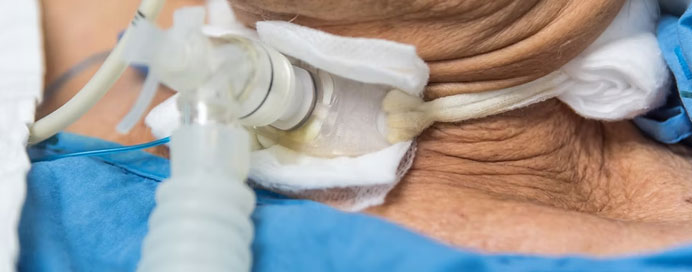
Tracheostomy is a surgical procedure in which an opening (stoma) is created in the anterior wall of the trachea to establish a direct airway. It may be performed as an emergency life-saving intervention or as a planned procedure in controlled settings. Emergency tracheostomy is indicated in acute upper airway obstruction such as severe laryngeal obstruction, trauma, or infections, where rapid airway access is critical. Planned tracheostomy is commonly done for patients requiring prolonged mechanical ventilation, airway protection, or in cases of head and neck cancers. The procedure helps bypass upper airway blockages, facilitates ventilation, and allows better airway management and secretion clearance.
Types and Key Aspects of Tracheostomy
Tracheostomy can be classified based on urgency and technique, with each type tailored to the patient’s clinical condition and treatment goals.
- Emergency Tracheostomy: Performed rapidly in life-threatening situations to secure the airway when intubation is not possible or has failed.
- Planned (Elective) Tracheostomy: Done under controlled conditions, often in the operating room, for long-term airway support or before major surgeries.
- Surgical Tracheostomy: A formal open procedure involving precise dissection and placement of a tracheostomy tube.
- Percutaneous Tracheostomy: A less invasive bedside technique commonly used in intensive care units for ventilated patients.
- Postoperative Care: Includes regular suctioning, humidification, tube care, and monitoring for complications such as infection, bleeding, or tube blockage.