Oral cancer surgery (tongue, buccal mucosa, jaw involvement)
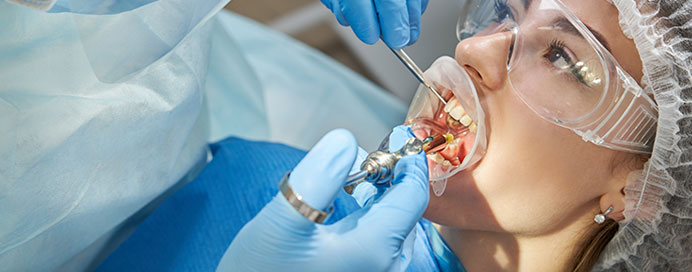
Oral cancer surgery is the primary treatment for malignancies arising in the mouth, most commonly affecting the tongue, buccal mucosa (inner cheek lining), and jaw (mandible or maxilla). The main goal is complete removal of the tumor with a margin of healthy tissue to reduce recurrence, while preserving as much function (speech, swallowing, appearance) as possible. The type and extent of surgery depend on tumor size, depth, location, and whether it has spread to lymph nodes or surrounding bone.
Tongue Cancer Surgery
When cancer occurs in the tongue, procedures vary based on severity:
- Partial glossectomy: Removal of a small portion of the tongue (early-stage cancer).
- Hemiglossectomy: Removal of one side of the tongue.
- Total glossectomy: Complete removal (advanced cases).
Effects & Recovery
- Speech and swallowing may be affected.
- Rehabilitation with speech therapy is often needed.
- Reconstruction using tissue flaps (from thigh or forearm) may be done.
Buccal Mucosa Cancer Surgery (Inner Cheek)
This cancer is common in people who use tobacco or chew gutka.
- Wide local excision: Removal of tumor with margins.
- May include removal of nearby muscles or skin if spread is extensive.
Reconstruction
- Skin grafts or flap reconstruction (e.g., from forearm or chest) to restore cheek structure.
- Helps maintain mouth opening and facial symmetry.
Jaw Involvement (Mandible / Maxilla)
If cancer spreads to the jawbone:
- Marginal mandibulectomy: Removal of part of the jawbone (bone continuity preserved).
- Segmental mandibulectomy: Removal of a full segment of jaw (bone continuity lost).
- Maxillectomy: Removal of part or all of the upper jaw.
Reconstruction
- Bone grafts (commonly from fibula in the leg) to rebuild the jaw.
- Dental implants may be placed later for function.
Neck Dissection (Lymph Node Removal)
- Often done along with primary surgery.
- Removes lymph nodes in the neck where cancer may spread.
- Types: selective, modified, or radical neck dissection.
Reconstruction Surgery
After tumor removal, reconstruction is crucial:
- Free flap surgery: Tissue (skin, muscle, bone) taken from another body part.
- Common donor sites: forearm, thigh, fibula (leg).
- Aims to restore speech, swallowing, and facial appearance.
Risks and Complications
- Bleeding, infection
- Difficulty in speaking and swallowing
- Facial disfigurement
- Nerve damage (affecting movement or sensation)
- Need for feeding tube temporarily