Septoplasty & nasal airway correction
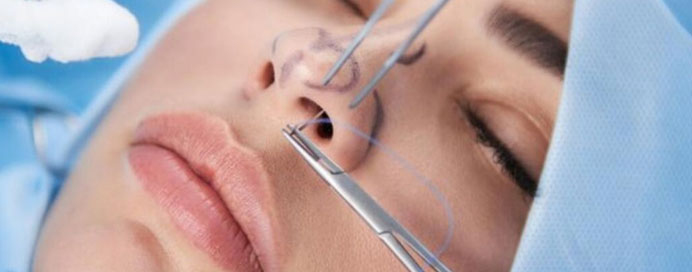
Septoplasty and nasal airway correction are surgical procedures performed to improve airflow through the nasal passages by correcting structural abnormalities, most commonly a deviated nasal septum. A deviated septum can lead to symptoms such as nasal obstruction, difficulty breathing, recurrent sinus infections, and snoring. Septoplasty involves repositioning and reshaping the nasal septum to the midline, while nasal airway correction may also address other contributing factors like turbinate hypertrophy or nasal valve collapse. These procedures are typically done under local or general anesthesia and aim to restore normal nasal breathing, improve quality of life, and reduce associated complications.
Indications and Benefits
Septoplasty is indicated in patients with symptomatic deviated nasal septum causing significant airway obstruction or related issues. It helps relieve nasal blockage, improves breathing during sleep, and reduces the frequency of sinus infections. Patients often experience better airflow, improved sleep quality, and enhanced overall comfort after recovery.
Procedure and Recovery
The surgery is usually performed through the nostrils without external cuts, making it minimally invasive with no visible scars. The surgeon reshapes or removes the deviated portions of the septum and may combine it with turbinate reduction if required. Recovery is generally smooth, with mild swelling and congestion for a few days. Most patients can return to normal activities within a week, with complete healing and optimal breathing improvement over a few weeks.