Voice-preserving laryngeal procedures
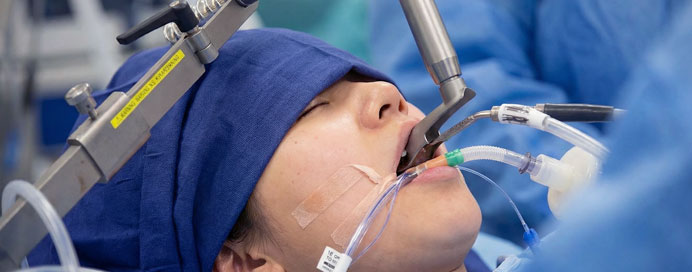
Voice-preserving laryngeal procedures are specialized surgical techniques used to treat benign or early-stage malignant conditions of the larynx while maintaining the patient’s natural voice and breathing functions. These procedures are commonly indicated in early laryngeal cancer, precancerous lesions, and select benign vocal cord pathologies. Unlike total laryngectomy, these approaches focus on removing only the diseased tissue while preserving as much of the laryngeal structure as possible. Techniques may include endoscopic laser excision, partial laryngectomy, and cordectomy, often combined with rehabilitation methods like speech therapy to optimize postoperative voice quality. The primary goal is oncological safety along with functional preservation, allowing patients to retain speech, swallowing, and airway protection.
Types and Key Features of Voice-Preserving Procedures
Voice-preserving procedures vary depending on the location, size, and extent of the lesion, as well as patient-specific factors. Each technique is selected to balance effective disease removal with minimal impact on vocal function.
- Endoscopic Laser Surgery: A minimally invasive approach using a laser to precisely remove lesions through the mouth without external incisions.
- Cordectomy: Partial or complete removal of one vocal cord, typically used in early-stage malignancies, with good voice outcomes in selected cases.
- Partial Laryngectomy: Involves removal of a portion of the larynx while preserving the remaining structures to maintain speech and swallowing.
- Supraglottic Laryngectomy: Targets lesions above the vocal cords, preserving true vocal cord function and voice production.
- Early Recovery and Rehabilitation: Most patients benefit from early voice therapy and have shorter hospital stays compared to more radical surgeries.